

During the last months, we have been completing a series of significant actions to increase the resiliency and availability of our service. As part of this continuous improvement, we’re excited to share a recent quiet update now completed, which meaningfully improves the solidity of our infrastructure: our platform now runs on a highly available (HA) database layer.
Ok, but what does it mean?
All Switch edu-ID services (identity provider, APIs, Account Management, etc) depend on the database layer, so database availability is critical for the whole service stack.
We recently made an important change to make that layer more resilient in case of datacenter failures.
What is behind this “high availability” improvement?
Previously, our database setup had a single point of failure: if one of our two datacenters ran into trouble, it could affect the whole platform as it would have to wait for manual intervention to fully redirect to the remaining datacenter.
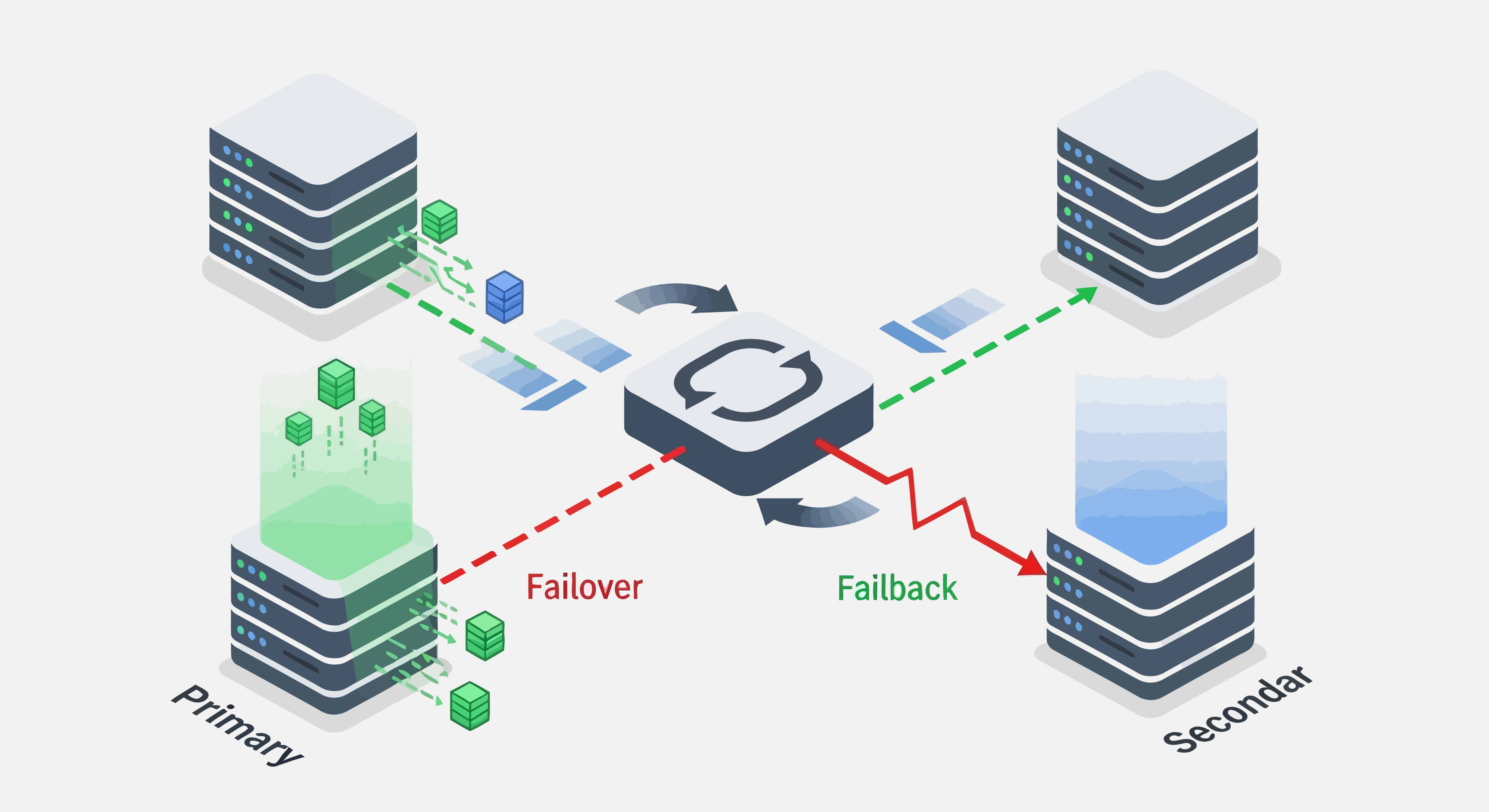
With the new HA cluster, we now distribute the database availability nodes on three (an odd number of) locations. They continuously sync with each other, so if one location goes down, the others have a logic implemented to automatically decide which remaining one takes over, seamlessly. No interruption, no data loss.
In plain terms: the platform is now designed to keep running automatically even when individual infrastructure components fail. That’s the kind of resilience we want to offer you.
What does this mean for you?
In a nutshell, we speak about:
-
-
- Higher uptime and fewer disruptions (some of the past issues would have been prevented with that new setup)
- Faster recovery, with automated recovery mechanism
- And simply better foundation for the service in general
-
A quiet win we’re proud of

That’s where the real value of such update is: the less you notice it, the more successful it was.